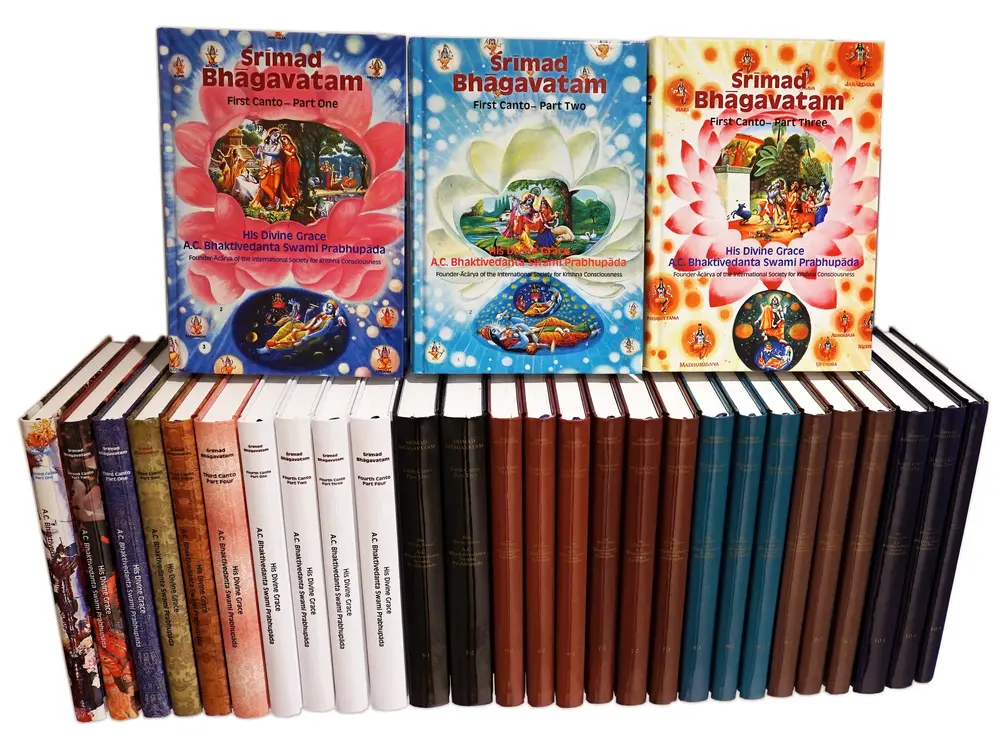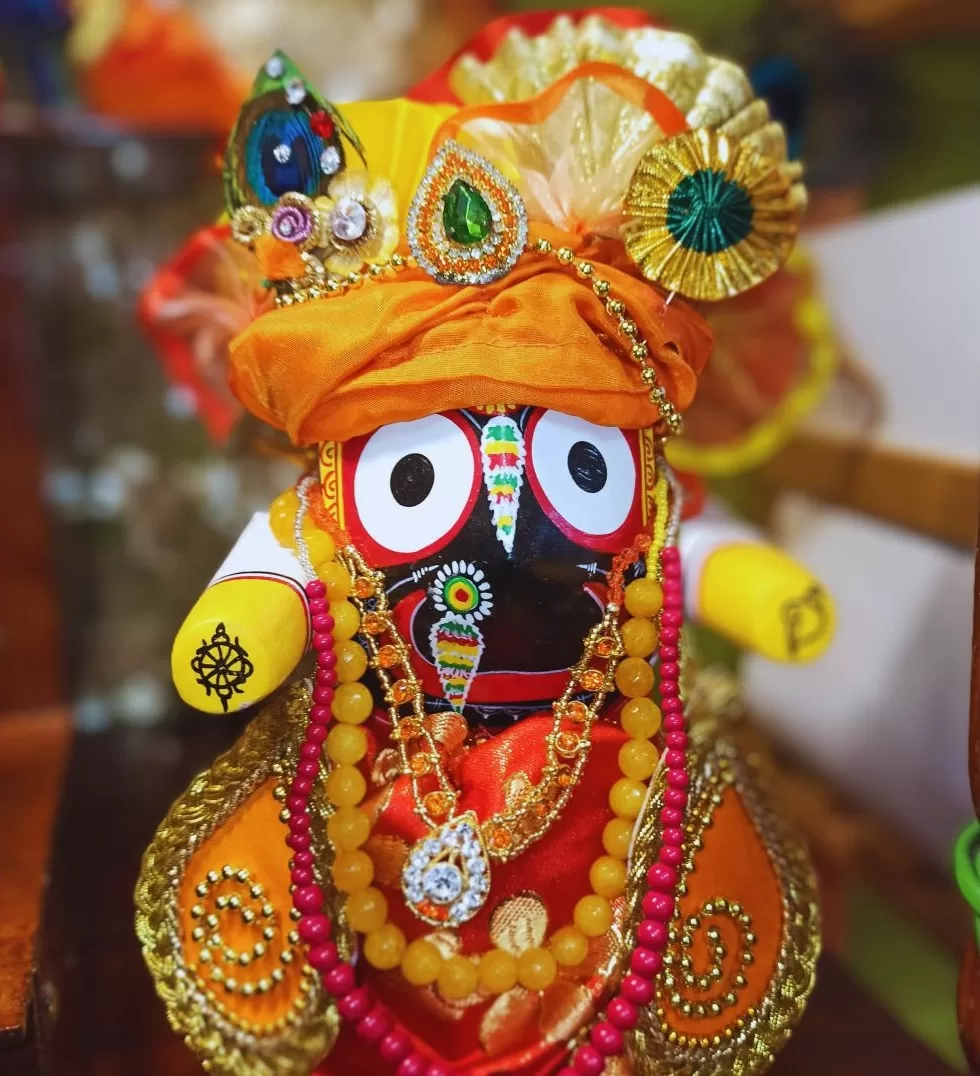
Hare Krishna, today article: Pastimes and Instructions is from Bhakti Pramode Puri Gosvami, disciple of Bhaktisiddhanta Saraswati Prabhupada
Prayers
Śrī Guru-Praṇāma:
oṁ ajñāna-timirāndhasya
jñānāñjana-śalākayā
caksur unmīlitaṁ yena
tasmai śrī-guruve namaḥ
“I offer my respectful obeisances unto my spiritual master, who with the torchlight of knowledge has opened my eyes, which were blinded by the darkness of ignorance.”
Two important verses:
suna suna nityananda, suna haridasa
sarvatra amara ajna karaha prakasa
prati ghare ghare giya kara ei bhiksa
‘bala krsna, bhaja krsna, kara krsna-siksa’
“Listen, listen, Nityananda! Listen, Haridasa! Make My command known everywhere! Go from house to house and beg from all the residents, ‘Please chant Krishna’s name, worship Krishna, and practise what Krishna teaches.’” (Sri Chaitanya-bhagavat, 2.13.8-9)
harer nāma harer nāma
harer nāmaiva kevalam
kalau nāsty eva nāsty eva
nāsty eva gatir anyathā
“In this age of quarrel and hypocrisy, the only means of deliverence is the chanting of the holy names of the Lord. There is no other way. There is no other way. There is no other way.”
Mahā-mantra Hare Kṛṣṇa:
Hare Kṛṣṇa Hare Kṛṣṇa
Kṛṣṇa Kṛṣṇa Hare Hare
Hare Rāma Hare Rāma
Rāma Rāma Hare Hare
Pastimes and Instructions
by His Divine Grace Śrīla Pramoda Purī Mahārāja
Retyped from the 1998 Śrī Vyāsa-pūjā of Śrīla Prabhupāda – His Divine Grace Śrī Śrīla Bhaktisiddhānta Sarasvatī Ṭhākura.
The most auspicious event of the 124th Birthday Anniversary of my spiritual master (now in his eternal pastimes), Oṁ Viṣṇupāda 108 Śrī Śrīmad Bhaktisiddhānta Sarasvatī Gosvāmī Ṭhākura, will be on February 16th, Śrī Kṛṣṇa Pañcamī, the month of Māgha (Jan-Feb). This festival will be celebrated by all the Maṭhas in a grand way. The advent of my spiritual master is called Vyāsa-pūjā.
The other commonly known ‘Guru Pūrṇimā’ day is in the month of June-July. This is the day of the advent of Lord Veda-Vyāsa. The servitors of the Gauḍīya Maṭha, knowing the spiritual master as non-different in truth from Lord Vyāsa, every year celebrate his advent as ‘Vyāsa-pūjā.’ Lord Śrī Gaurāṅga Mahāprabhu first established this worship of ‘Vyāsa-pūjā’ through Śrī Nityānanda Prabhu in Śrīvāsa-āṅgam, Māyāpura.
The word Vyāsa means to divide, or in another sense, to expand. The complete Vedas were divided into four parts by him: Ṛg-Sāma-Yajur-Atharva, and also works like Mahābhārata and Purāṇas were extended by the Muni Śrī Kṛṣṇa Dvaipāyana Vedavyāsa. The spiritual master similarly performs this work of Śrī Vyāsadeva in delivering this knowledge to the conditioned living entities. For this reason the adorations offered to him on his advent are called ‘Vyāsa-pūjā.’ The “Vyāsa-pūjā’ pastimes of Śrīman Mahāprabhu have been explained by Śrī Śrīla Prabhupāda in the ‘Gauḍīya’ journal.
The scriptures say the moment one feels detachment, then from that time, freeing himself from the lures of material sense enjoyments, he relishes the taste for devotional service to the Lord without any consideration for the proper time in doing so. Then, being completely renounced from sense gratification, he takes to the shelter at the lotus feet of the spiritual master.
Many refer to this acceptance or surrender at the lotus feet of the spiritual master as ‘Vyāsa-pūjā’. This “Vyāsa-pūjā’ is required to be performed in all the four stages of life with more emphasis on the renounced order. The other term of ‘Vyāsa-pūjā’ is in offering everything to the service of the spiritual master, in doing works conducive to the fulfillment of his wishes. Our predecessor spiritual master, Śrīla Narottama dāsa Ṭhākura, in his offering has humbly prayed:
śrī-caitanya-mano-‘bhīṣṭaṁ sthāpitaṁ yena bhū-tale svayaṁ rūpaḥ kadā mahyaṁ dadāti sva-padāntikam
“When will Śrī Rūpa Gosvāmī, who has established within this world the mission to fulfill the desire of Lord Caitanya, give me shelter under his lotus feet?”
The Vyāsa-pūjā worship of Vyāsadeva ultimately means the same mood of surrender and faith to the predecessor spiritual masters. Śrī Śrīla Prabhupāda, even in his youth, was very attached to the chanting of the holy Name. When Śrīla Bhaktivinoda Ṭhākura was the deputy magistrate at Rampur, he was a student of the 7th class in high school. Observing his avid absorption in the practice of service to the Lord, Śrīla Bhaktivinoda Ṭhākura gave Tulasī beads, and awarded him the initiation of the ‘Harināma’ and Śrī Nṛsiṁha mantra.
In the year 1881 in Calcutta, during the construction of their house there named ‘Bhakti Bhavana’, a Kūrmadeva Śālagrāma-śilā (Deity) was discovered in the earth. His intense desire for such worship, even though he was only 8 years old at that time, made his father teach him the proper method of worship, complete with the worship mantras. Śrī Śrīla Prabhupāda always executed such deity worship very rigidly while maintaining his code of conduct. I myself had the good fortune to see the Deity that was once worshipped by Śrī Śrīla Prabhupāda with my own eyes, in that house.
Once Śrīla Prabhupāda was standing at the entrance of the Śrī Caitanya Maṭha temple room and was viewing the Deities of Śrī Śrī Guru-Gaurāṅga-Gāndharvikā-Giridhārī. The doorway next to the inner sanctum was rather small and he was not having his spectacles at that time. A dearmost disciple, who was standing by his side, thinking his spiritual master was not able to get a good view of the Deities, commented loudly that it is very difficult to view the Deities from outside because of the small doorway of the inner sanctum.
On hearing this, Śrīla Prabhupāda gave a chuckle and for the benefit of all, replied, “Do not attempt to see the Deities with these mundane, visual senses; instead, try to obtain the necessary pure devotional qualifications so that the Supreme Lord will Himself manifest to us in person, for this type of meditation is superior.“
ataḥ śrī-kṛṣṇa-nāmādi na bhaved grāhyam-indriyaiḥ sevonmukhe hi jihvādau svayam eva sphuraty-adaḥ
“The Name, Form, Qualities and Pastimes of Śrī Kṛṣṇa are transcendental and cannot be relished through the material senses. But one who performs pure devotional service to the Supreme Lord beginning with the tongue, by chanting the holy Name purely, the Lord will personally manifest to such a devotee.”
The glories of pure devotion have been declared in the Holy Scriptures, for it is the only way by which one can reciprocate lovingly or have the actual vision of the Supreme Lord. Another day, Śrī Śrīla Prabhupāda and his disciples were walking to Śrī Yoga-pīṭha from Śrī Caitanya Maṭha. On the way, some of his very dear disciples, smelling the foul odors from the sides of the track, began to tie some cloth over their noses.
It appeared as if they could not breathe properly and Śrī Śrīla Prabhupāda noticing this, started to laugh and commented: “This is a transcendental land full with absolutely pure spiritual scents, but your noses detect only the bad odors of this material world. Do not try to view this transcendental land with your material intelligence, this is the non-different form of the Supreme Lord.”
In the mid-February of 1930 at Śrīdhāma Māyāpura, Śrī Śrīla Prabhupāda held a spiritual exhibition called the Śrīdhāma Navadvīpa-Māyāpura exhibition, for a period of approximately one month. Many corrugated tin huts were temporarily constructed for this occasion and were unveiled ceremoniously by Sri P.S. Ray on his auspicious arrival. For the whole period of the exhibition, the sky remained clear by the immeasurable mercy of Lord Gaurasundara and His dear associate, the spiritual master.
At the end of the exhibition, heavy winds erupted and the fury of these winds tore those tin structures apart, hurling them away at a considerable distance. One such tin structure in its obituary flight, hit one of the domes of the Deity of Śrī Rāmānuja adjacent to the main sanctum and after shattering the concrete dome, fell on the side of the temple where a tube-well was stationed.
After the tempest had calmed down, Śrī Śrīla Prabhupāda, examining the broken dome, commented that for the dome of one of our main spiritual masters (ācārya) to be broken, especially him being the foremost ācārya of our Deity worship, could only be due to some grave offence in the deity worship. True to his word, after an inquiry was conducted, it was discovered that the priest had committed a major offence in the Deity worship. He was immediately replaced and the broken dome was later renovated.
Whenever there were incidents like theft from the temple, or when Śrīla Prabhupāda himself appeared unsound in health or even when disciples were experiencing some major disturbances from the norm, Śrī Śrīla Prabhupāda would especially caution his disciples not to commit offences against the Deity. The offences to the Name, the holy dhāma (like Māyāpura) and the established Deities were the butt of Śrī Śrīla Prabhupāda’s repeated warnings of caution to his disciples.
On the 23rd of October 1936, Śrī Śrīla Prabhupāda assigned the task of propagating the divine message of Lord Caitanya in Europe and America to the late Śrīmān Bhakti Sāraṅga Prabhu, one of his then stalwart disciples. On the eve of his start for his first rendezvous in London, Śrīla Prabhupāda instructed him to worship the deities of Govardhana, Śālagrāma and Gomatī whilst there daily.
The same day, at the temple hall of Bāgh Bāzār Śrī Gauḍīya Maṭha, Śrī Śrīla Prabhupāda, addressing a large crowd, delivered a fiery speech, enthusiastically extolling the preaching mission of Bhakti Sāraṅga Prabhu and showering his mercy upon him for his successful campaign.
The mercy potency of Lord Gaurāṅga, Śrī Śrīla Prabhupāda had firm conviction that only in the wide-spread propagation of Lord Caitanya’s teachings via spiritual initiation and instruction, could the living entities ultimately attain their eternal welfare. Consequently, with untiring vigor, he began to preach accordingly, together with exhibiting model personal conduct.
Some time before, from 1933 March to 1935, his disciples Śrīmad Bhakti Pradīpa Tīrtha Mahārāja and Śrīmad Bhakti Hṛdaya Bon Mahārāja had been in London and Germany. There, at various locations by the holding of public speeches and with correspondences by letter, they were able to inspire many elite educated people to become interested in the message of Lord Caitanya. With the consent of Śrī Śrīla Prabhupāda, gradually the first London Gauḍīya Mission Society was formed and simultaneously the Gauḍīya Maṭha became established there.
The chairman of the Society, Lord Zetland, used to discuss in his weekly meetings the teachings of Lord Caitanya as inspired by Śrī Śrīla Prabhupāda. The preaching excursion to Burma resulted in a Maṭha being established in Rangoon in 1935. However, the preaching was curtailed due to the political turmoil in Burma at that time. In many densely populated cities and holy places in India, Śrīla Prabhupāda personally, or through the media of his disciples, established Gauḍīya Temples replete with Deity services.
The doctrine of devotion of Mahāprabhu was taught and the importance of personal conduct was also stressed in the course of one’s devotion. Altogether sixty-four temples were established in India which were all listed in the weekly ‘Gauḍīya’ periodical.
It was his innate desire to establish pedestals for the footprints of Lord Caitanya in at least 108 holy places where Śrīman Mahāprabhu had traversed by foot previously. This was to awaken remembrance of the Supreme Lord, Lord Gaurāṅga Mahāprabhu. During Śrīla Prabhupāda’s presence, eight of such became established and after his departure many more. Śrī Śrīla Prabhupāda used to participate personally in the circumambulation of the holy lands of Vraja and Navadvīpa. In Purī Dhāma specifically, he would hold excursions to all the main holy spots.
Every year, the 16 krośa circumambulation of Navadvīpa was performed by him and to this day his disciples faithfully observe this regularly as a limb of devotional service. Śrīla Prabhupāda used to remark that in the circumambulation of the transcendental land, five main limbs of devotion are performed in conjunction with it, namely; chanting of the holy Name, association of devotees, hearing the holy scriptures, residence in the holy land as well as worship to the Deity form of the Lord.
The fact that opportunities are presented to perform all these devotional practices together is the reason why he stressed that the circumambulation be performed with proper care and effort.
Śrī Śrīla Prabhupāda became hard like a thunderbolt in seeing actions contrary to the principles of devotion and in favorable practices, he appeared soft like a rose. In the engrossed hearing of the loving separation pastimes exhibited by Śrīmatī Rādhārāṇī in Mathurā, he became overwhelmed with such agonizing separation that tears flooded from his eyes.
His attraction in hearing about the pastimes of the Lord was phenomenal. He would continue in such discussions hour after hour so much so that when reminded of meal-times, he would become annoyed. He would often remark of the famine existing due to lack of nectarine discussions on the Supreme Lord.
As every expert physician requires to be consulted to give the proper diagnosis, similarly he would complain that his disciples do not give him enough opportunity to speak about the Supreme Lord’s pastimes. Thus, when questioned ‘how are you?’, he would reply: “I am alright but these people do not indulge me in spiritual discussions therefore I am unwell.”
Congregational chanting of the holy Name was always relished by Śrī Śrīla Prabhupāda but not from the lips of pseudo-devotees whose songs contradicted spiritual conclusions (rasābhāsa). His real mood existed in the self-composed song he used to sing: prāṇa āche yāra, sei hetu pracāra pratisthā-āśā-hīna kṛṣṇa-gāthā-saba śrī-dayita-dāsa kīrtanete āśā kara ucchaiḥ-svare hari-nāma-rava. Meaning: “The real life of the devotee is exhibited in self-surrender to the Lord, devoid of all sense of false prestige.”
The songs of those not surrendered and intoxicated with false prestige, are like a dead body without consciousness and thus should not be entertained, was his verdict. Unauthorized discussions of high spiritual subjects were not at all approved by Śrī Śrīla Prabhupāda. To always remember Śrī Kṛṣṇa at all times is productive of pure devotion. Love of Godhead is only attained by the pure chanting of the holy Names devoid of all offences.
Once that stage of offenceless chanting is attained, no other extra effort or purity is required in chanting the Name. If one with all petty desires for gain, fame and prestige encompassing in the mind, puts on a false show of spontaneous pure devotion, that was only hypocrisy and extremely intolerable to him. He used to say: mādhavendra purī bhāva-ghare curi nā karila kabu sadāi jānaba, etc.
The famous words of the great souls tell us: viddhi-mārge vraja-bhāve pāite nāhi śakti. One cannot attain spontaneous devotion by mere practice of devotion (sādhana). The actual gift of spontaneous devotion is awarded only by the intense greed to receive it, coupled with the blessings of proximity to a genuine teacher who is a resident of the holy Dhāma. Pretentiously imitating the activities of realized souls is a disturbance to society, resulting in unqualified discussions. Premature attempts of spontaneous devotion is of no avail!
The question may be asked from the context of the above verse as to what the real method of attainment is. The answer is revealed by Lord Gaurāṅga when He informs His confidential associates to deeply imbibe the following verse: nāma-saṅkīrtana-kalau parama upāya iha haite sarva-siddhi haibe sabāra. The holy Name is to be taken shelter of in complete faith and this will ensure all perfection to the chanter.
vikrīḍitaṁ vraja-vadhūbhir idaṁ ca viṣṇoḥ śraddhānvito ‘nuśṛṇuyād atha varṇayed yaḥ bhaktiṁ parāṁ bhagavati pratilabhya kāmaṁ hṛd-rogam āśv apahinoty acireṇa dhīraḥ
The word ‘śraddhānvitaḥ’ used in this context, specifically refers to the faith that leads to the attainment of spontaneous devotion. Śrīman Mahāprabhu has stressed that the holy Name is replete with all transcendental potency, being non-different from the Supreme Person Śrī Kṛṣṇa. The holy Name is pure, eternal, replete with all spiritual mellows and is like a wish-fulfilling tree. The process of attaining pure spontaneous devotion is by exclusive surrender to the lotus feet of the personified Name, praying to Him with complete yearning and taking to the chanting with a fixed resolve. The cessation of offences to the Name produces final enlightenment in the aspirant.
Śrīla Viśvanātha Cakravartī, in his commentary, explains the following verse: ataeva śraddhānvitaḥ iti śāstra-viśvāsināṁ nāmāparādhināṁ premāpi nāṅgīkarotīti bhāvaḥ. Meaning: The word ‘śraddhānvitaḥ’ is not applicable to the faithless or those who persist in committing offences against the holy Name. The mellows of love are beyond the imagination of Goddess Lakṣmī.
It is not by mere intelligence or discrimination that it can be obtained. The only sure way is in the obedience to follow the path chalked out by the gopīs of Vraja and not otherwise. Śrī Śrīla Prabhupāda never did approve of such intricate discussion by the unqualified, always giving priority to the chanting of the holy Name. Similarly Śrī Śrīla Bhaktivinoda Ṭhākura’s song couplet is enlightening: viddhi-mārga tāra jane svādhīnatā-ratna-dāne rāga-mārge karāya praveśa.
Here this verse is extolling the glories of the rigid devotional service in practice, ultimately giving us natural entrance into spontaneous service. Śrī Śrīla Prabhupāda has commented on the 7th verse of ‘Upadeśāmṛta’, saying: “The characteristics of the holy Name are compared to sugar candy, and ignorance is compared to jaundice (excess bile).
As a jaundiced person is unable to relish the flavor of sugar candy, likewise the conditioned materialistic living entity is unable to taste the nectarean bliss of the holy Name due to ignorance. In taking to chanting the holy Name sincerely and endeavoring with right efforts, the sweetness of the Name becomes apparent and eventually will lead to the dissipation of all unwanted desires.”
Further on, the explanation of the 8th verse of ‘Upadeśāmṛta’ reads (Śrīla Prabhupāda): “The lay aspirant should tame his mind, which is outgoing and restless, with the chanting of the holy Name, Pastimes, Form and Qualities of the Lord in a determined way. Side by side hearing and remembering these attributes of the Lord should also be practiced. The increased attraction for such activities as it blossoms will give one qualifications automatically to perform spontaneous devotion, gaining immortality.
It is important to remember that premature practice of high devotions can lead to the upsurge of low and base instincts of the individual causing him to stray away from the spiritual path.” Common people, under the deception of trying to sing about the pure mellows of devotional service, end up only in the creation of opposing mellows (rasābhāsa) which was detested by Śrīla Prabhupāda. He further sternly opposed those who eked a livelihood by the reading of the Holy Scriptures like Śrīmad-Bhāgavatam, or the process of the exhibition of established Deities in order to collect their maintenance.
Even though the ritualistic priests (smārthas) may differ, Śrīla Sanātana Gosvāmī, a main leader (ācārya) of the Gauḍīya-Mādhva line, has confirmed that all persons, irrespective of caste, can by the process of spiritual initiation (dīkṣā), be elevated to perform the worship of the Deity of Śālagrāma-śilā. Spiritual initiation involves five rites:
- tāpa
- puṇḍra
- nāma
- mantra
- yāga
Śrīla Baladeva Vidyābhūṣaṇa has defined the yāga mentioned above as Deity worship in his holy treatise ‘Prema Ratnāvalī’. It is interesting to note that many of Mahāprabhu’s associates, though being of other castes (the physician or kāyastha) underwent the ritual of ‘brāhmaṇa’ initiation and had brāhmaṇa disciples.
Dīkṣā-vidhānena dvijatvaṁ jāyate nṛṇām. Actual brahminhood is born from the spiritual initiation process (dīkṣā). This is the foundation of the daivī-varṇāśrama system i.e. division of labor and class in one’s stage of life only by the basis of devotion. The only criteria for actual qualification in this human life is devotion to the Supreme Lord.
Many vivid proofs are mentioned in scriptures regarding this. The low class dog-eater surrendered to Lord Hari with mind, body and speech is most superior, while a brāhmaṇa devoid of devotion to Lord Hari is considered fallen. These statements confirm the efficacy of devotion. The natural function of the soul is to serve the Supreme Lord.
Logically, one who engages in this natural function, is immediately elevated to the caste of brāhmaṇa and more. The fruitive workers who maintain of their superiority through seminal birth, are rejected by the devotees of the Lord. Śrī Kṛṣṇadāsa Kavirāja’s famous verse in Caitanya-caritāmṛta reads:
nīca-jāti nahe kṛṣṇa-bhajane ayogya sat-kula-vipra nahe bhajanera yogya yei bhaje sei baḍa, abhakta—hīna, chāra kṛṣṇa-bhajane nāhi jāti-kulādi-vicāra
Meaning: “The person who practices devotion intensely is more superior irrespective of caste or creed.” “A person born in a low family is not unfit for discharging devotional service to Kṛṣṇa, nor is one fit for devotional service simply because he is born in an aristocratic family of brāhmaṇas. Anyone who takes to devotional service is exalted, whereas a non-devotee is always condemned and abominable. Therefore in the discharge of devotional service to the Lord, there is no consideration of the status of one’s family.” To consider a devotee as belonging to some particular caste or creed is a hellish mentality.
Once, a huge public debate was organized in Baligha, Midnapur to decide the position of high caste (brāhmaṇa) and Vaiṣṇava. Śrī Śrīla Bhaktivinoda Ṭhākura appearing unsound in health, sent his son to the meeting, empowering him to protect the dignity of the Vaiṣṇavas. The meeting was presided by Śrīman Madhusūdana Gosvāmī and Śrī Viśvambharānanda.
Śrī Śrīla Prabhupāda, delivering an expressive, erudite lecture, explained both concepts in great details, ultimately proving uncompromisingly the superiority of the Vaiṣṇavas above the born-brāhmaṇas. He was thereby given a standing ovation and all the saintly people present there became gradually overjoyed in the confirmation of Śrīman Mahāprabhu’s teachings.
The printing press was an important tool utilized by Śrī Śrīla Prabhupāda, for the wide publicity and propagation of spiritual literatures. He would refer to it as the big drum (bṛhad-mṛdaṅga) whose sound could not only go a long way, but remain for some time. In his boyhood, while in assistance of his father Śrīla Bhaktivinoda Ṭhākura in his publications, Śrīla Prabhupāda had gained much experience in proof-reading and other works related to the press.
Consequently, with the establishment of many presses, he published many books and periodicals, i.e. the weekly Gauḍīya, Bhagavad-gītā with commentary, Jaiva Dharma, Caitanya-caritāmṛta, Bhakti-rasāmṛta-sindhu, etc.
Śrī Śrīla Prabhupāda used to be vigilant in the proper service of Śrī Dhāma Māyāpura, the transcendental birthplace of Lord Gaura-Hari. In Yoga-pīṭha and Śrīvāsa-āṅgam, he experienced many divine experiences. He had the vision of the Sarasvatī River in seeing the river Jālaṅgī. Similar visions were perceived by Śrīla Bhaktivinoda Ṭhākura.
The confluence of the river Sarasvatī and Gaṅgā in Māyāpura (Triveṇī) was especially very dear to him. Śrīla Bhaktivinoda Ṭhākura had forecasted of an extraordinary temple to be constructed in Śrī Yoga-pīṭha. To confirm the prediction of his father, Śrīla Prabhupāda, with help of his wealthy disciples, constructed a huge temple there. During the prior excavation of the temple, a four-handed Deity of Viṣṇu was discovered in the earth.
Later this Deity was identified as ‘Adhokṣaja Viṣṇu’ with Śrī and Bhū potencies by him, according to the different arrangement of weapons and symbols in the hands of the Deity. An expert archeologist, Sri Ram Prasad Chandra, verified the Deity as being very old. Śrī Śrīla Prabhupāda commented later that this was formerly the Deity worshiped by Śrī Jagannātha Miśra. This beautiful Deity is being worshiped at present in Śrī Yoga-pīṭha, Māyāpura.
To illumine and increase publicity about the Holy Land, Śrī Śrīla Prabhupāda used to invite many eminent and dignified people to Māyāpura time and again. Every year was highlighted with the Navadvīpa-parikramā, simultaneously followed by the birth-anniversary celebrations of Mahāprabhu. Śrī Śrīla Prabhupāda had planned that from Yoga-pīṭha to Candraśekhara-bhavana in the North and up till Hulura Ghāṭa at the extreme South, all the area of land to be named ‘the actual Māyāpura’.
His prophecy was that all this will be in future the locality of devotees of Śrī Kṛṣṇa and many temples of Lord Kṛṣṇa would be constructed. The auspicious sounds of gongs, bells and drums would be a constant daily affair. Śrīla Prabhupāda used to remark that Lord Gaurasundara was eternally performing congregational chanting and dancing with His associates in this Holy Land of Māyāpura. Even today the mystical sounds of gongs and drums can be subtly heard all of a sudden by a very select few. Śrīla Prabhupāda personally experienced this many a time.
As discussed, Śrī Śrīla Prabhupāda worked tirelessly to propagate the pure devotional messages of Śrīman Mahāprabhu through books and journals. Primarily through his four main printing presses and help of other presses, he printed over 100 books and different journals in English, Bengali, Oriya and Assamese languages.
The propagation of devotion was not only through the length and breadth of India, but many disciples went to foreign countries to preach under his bidding. Unfailingly as a daily vow, he used to chant one lakh Names of the Lord (64 rounds) and his instruction to all his disciples was to do likewise. Keeping this vow intact, he would allot his times incredibly to cover all his preaching schedules and literary work, being a source of inspiration to all who came in contact with him.
Śrī Śrīla Prabhupāda, on noticing any deviance to the doctrine of pure devotion, would be prompt to refute all such opposing arguments. He had the unusual ability to still all opposition with his witty, fiery replies in accordance with the conclusions of scriptures. He posed as the awesome figure of non-compromise to pure devotion ideals. To adjust or compromise with concocted deviant philosophy or to show indifference when there was overlapping of mellows (rasābhāsa) was never tolerated by him.
His strict code of behavior was always according to the instruction of Śrīman Mahāprabhu: asat-saṅga-tyāgī—vaiṣṇava-ācāra—to completely avoid the association of the materialistic sense-enjoyers and the non-devotees, atheist. The absence of such a dynamic leader has made the Gauḍīya Vaiṣṇava world to go through many troubled situations!
Śrī Śrīla Prabhupāda had extraordinary knowledge about the secrets of the disciplic succession. The compilation of Vaiṣṇava-mañjūṣā-samhitā dictionary was begun regarding different varieties of knowledge about the devotees of Viṣṇu. However, only four editions were completed and published. His memory powers were astounding.
The moment he would speak, many fresh and interesting ideas would be revealed, with such skill that would leave the audience spell-bound. Previously, I would be trying to note all these ideas with a deft hand, still I would miss out many points. Later Śrī Śrīla Prabhupāda would personally rectify such writings.
The very name of ‘māyāvādī’ (gross impersonalists) was quite unbearable for Śrī Śrīla Prabhupāda to hear. Some people used to contend that Śrī Prakāśānanda Sarasvatī, after receiving the mercy of Lord Caitanya, became known as Śrī Prabhodānanda Sarasvatī, who was the author of the famous devotional treatise ‘Śrī Śrī Rādhā-rasa-sudhā-nidhi.’
This was vehemently rejected by Śrī Śrīla Prabhupāda. He explained that the spiritual master of Śrī Gopāla Bhaṭṭa Gosvāmī was his own uncle, Śrīla Prabhodānanda Sarasvatī. He used to stay at Śrī Raṅgam and was the follower of Śrī Rāmānuja. He is not to be mistaken with the other Prakāśānanda who was from the Śaṅkarācārya sect (māyāvādī) and staying in Benares.
At the close, before his entrance into his eternal pastimes, in the morning he requested Śrīmad Bhakti Rakṣaka Śrīdhara Mahārāja to sing “Śrī Rūpa Mañjarī Pada’ of Śrī Narottama dāsa Ṭhākura, and Navīna Kṛṣṇa Prabhu to sing Śrīla Bhaktivinoda Ṭhākura’s ‘Tuhuṅ dayā sāgara tarāyite prāṇī.’ This was the commentary of the 2nd verse of the Śikṣāṣṭaka.
After giving this instruction to sing, Śrī Śrīla Prabhupāda began to repeat his famous counsel at a previous date (December 23rd): “Implicit obedience to the precepts laid down by Śrīla Rūpa Gosvāmī through the medium of the spiritual master is the wealth of our devotions.“
In this instruction, he outlined the true method of our devotional practice as well as the real disciplic succession. Furthermore, in hearing the song of Śrīla Bhaktivinoda Ṭhākura (tuyā dayā, echana parama-udāra), Śrī Śrīla Prabhupāda clasped his hands to his forehead and profuse tears of humility rolled down his cheeks.
These personal gestures reminded us of our lamentable plight in not having any attraction for the holy Name. The Name has all potency and is not dependent on time or purity of the chanter. Faith and unalloyed surrender only prevails. We acutely became conscious of all these facts by his gestures. He further reminded us again to follow Śrī Śrīla Rūpa and Raghunātha teachings through the medium of Narottama dāsa Ṭhākura.
Finally, Śrī Śrīla Prabhupāda gave his blessings openly to all present as well as to those who were not present and advised them all to perform devotional service to the Supreme Lord and the service of pure devotees specially by the method of propagation of his divine literatures. Our most worshipable spiritual master Śrī Śrīla Prabhupāda has bestowed his affectionate blessings not only to his disciples, but also to his grand-disciples and all those who will in the future come to this line of disciplic succession.
There is no cause for loss of hope or fear, for Śrīla Bhaktivinoda Ṭhākura’s disciplic line will never cease. This is the assurance of Śrī Śrīla Prabhupāda, the world teacher. He is eternally present among us. He is my Lord birth after birth, he is my only source of strength and those following in his footsteps should take his merciful instructions on their heads by mutually cooperating with each other with Jagat Guru Śrī Śrīla Prabhupāda as the center, and try to fulfill his desires in serving the mission of Śrīla Rūpa Gosvāmī. All perfections will be attained on pleasing Śrī Śrīla Bhaktisiddhānta Sarasvatī Ṭhākura Prabhupāda.