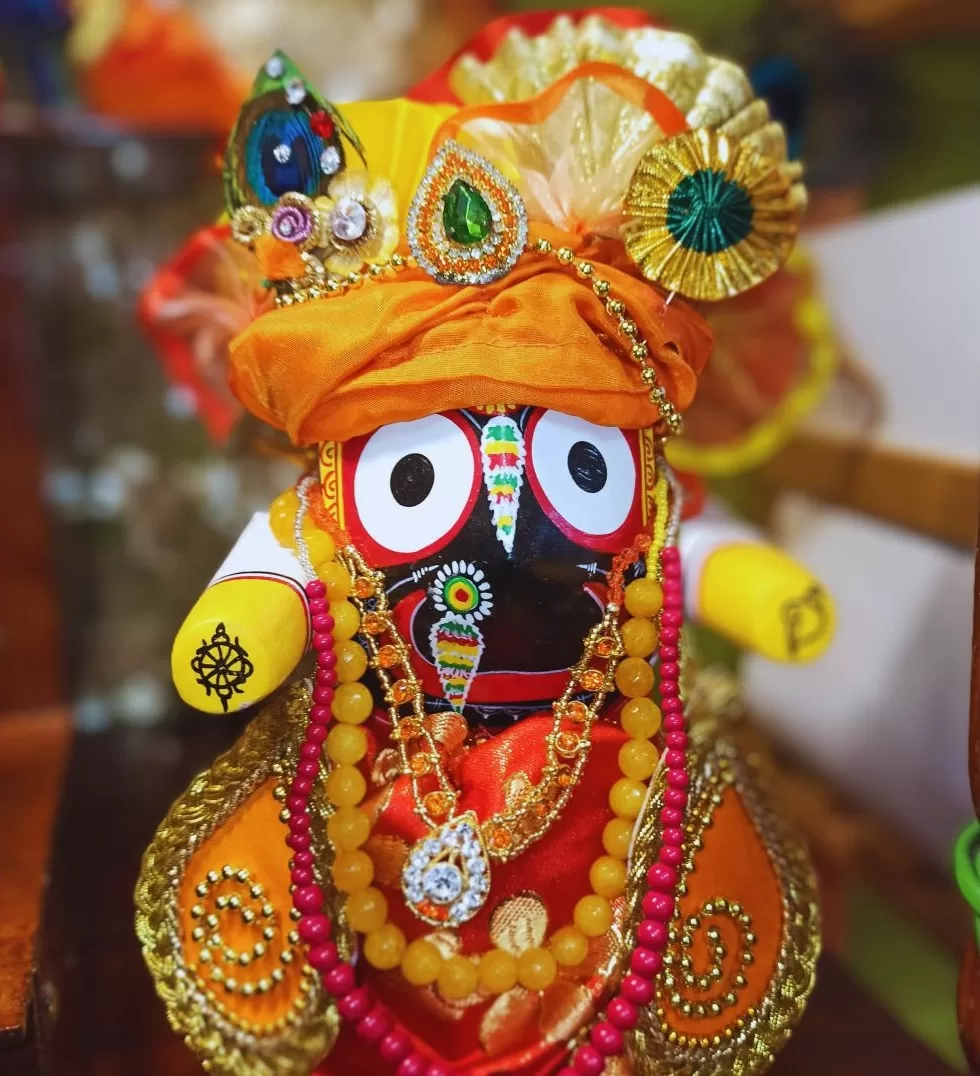
Holy name – Hare Krishna mahamantra
Everything What you need about chanting of Hare Krishna mahamantra
- Harinama is Cintamani
- Chanting Hare Krishna mahamantra under pure devotee
- Essential to know about Japa
- Nāmābhāsa
- Chanting TIPS on Hare Krishna mahamantra
- Chanting Hare Krishna mahamantra with or without taste?
- Inspiring Quotes on Chanting by Aniruddha das Adikary
- There is NO other way
- Srila Prabhupada’s Quotes about Chanting 64 rounds Hare Krishna Mahamantra
- Holy name – Hare Krishna mahamantra
- Media
The following information is taken from Dharmavira Maharaja’s website. For more information and guidance in chanting of
Hare Krishna mahamantra, visit
Dharmavira Maharaja’s website!


HARINAMA IS CINTAMANI – THE HOLY NAME FULLFILS ALL YOUR DESIRES, BOTH MATERIAL AND SPIRITUAL
Folding his hands in respect, with choked up throat and tears in his eyes, Haridasa began to speak. First, he gave a general description of the name: “The holy name is cintamani, the object that gives everything one desires. To the materialists it gives dharma, artha, kama and moksha, and to the nonfruitive devotees it gives pure, unalloyed love of Krishna. The name is unlimited, beginningless, fully conscious, and inseparable from the chief consciousness, Krishna. Whatever is in Krishna is in the holy name, for the two are nondifferent. The name is eternally free from material contamination and spiritually situated in a state of pure goodness (suddha-sattva) like Krishna.”
Footnotes by Srila Bhaktivinoda Thakura: “A cintamani jewel can give anything. To persons who have material desires the cintamani jewel of Krishna’s name gives material piety, wealth, sense pleasures, and impersonal liberation. To persons who have no material desires the cintamani jewel of Krishna’s name give pure love for Lord Krishna.“
From “Harinama cintamani”, ch. 2 by Srila Bhaktivinod Thakur
Chanting Hare Krishna mahamantra under a Pure Devotee is Offenseless Chanting
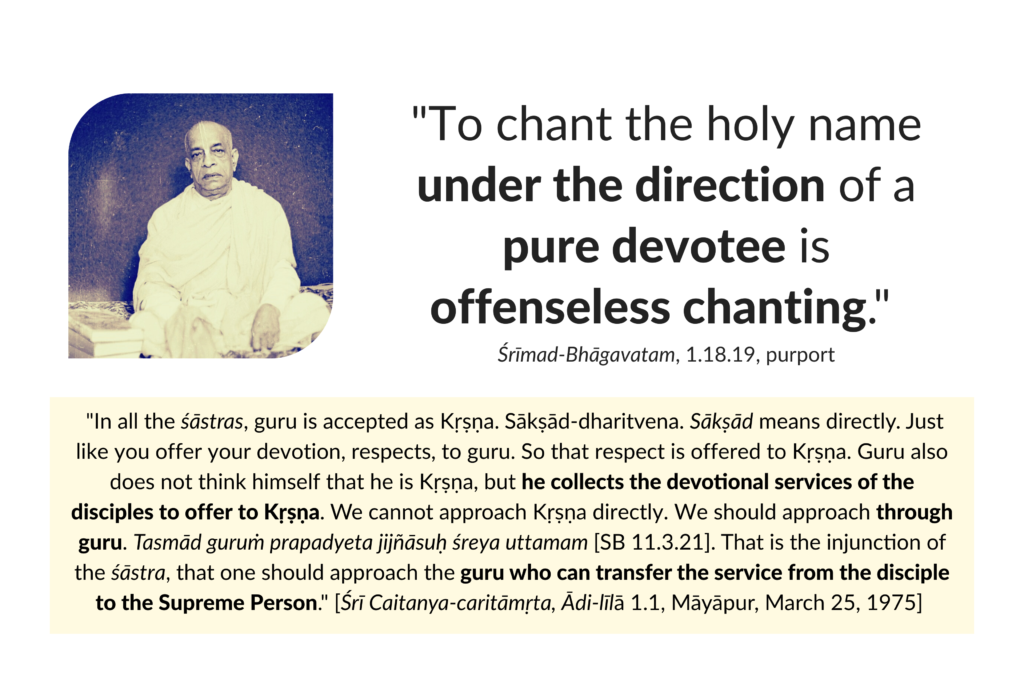
“All sadhakas will be making aparadha until they get proper sadhu-sanga. Even if you chant mechanically but doing under guidance is sufficient.” 🙌[Sri Dharmavira Prabhu]
Essential to know about Japa
3 types of chanting and their benefits:
1) Shuddha Nam (pure chanting) will give Krishna Prema.
2) Namapradha (chanting with offenses) will give material success.
3) Namabhasa (without offenses but not pure) will give mukti but not Krishna Prema.
3 types of japa: vacika japa, upamsu japa and manasa japa according to Srila Sanatana Goswami in his book “Hari-bhakti-vilasa”
17/155
narasimhetrividho japa-yajnah syat tasya bhedan nibodhata |
vacikas ca upamsus ca manasas ca tridha matah |
trayanam japa-yajnanam sreyan syad uttarottarah ||155||
“One should understand that japa is of 3 types – vacika japa, upamsu japa and manasa japa – each one being progressively better than the previous one.” This basically means that vacika japa is the least superior and manasa japa is the most superior.
17/156
yad ucca-nica-svaritaih spashta-sabdavad-aksharaih |
mantram uccarayed vyaktam japa-yajnah sa vacikah ||156||
“Vacika japa refers to chanting that is sometimes loud and sometimes soft with each syllable prounced very distinctly.” This kind of japa is the lowest chanting of japa of the three mentioned.
17/157
sanair uccarayen mantram ishad aushthau pracalayet |
kincic chabdam svayam vidyad upamsuh sa japah smritah ||157||
“Upamsu japa refers to chanting that is sometimes loud and sometimes soft and yet the syllables of the mantra may not be distinctly discerned.”
17/158
dhiya yad akshara-srenya varnad varnam padat padam |
sabdartha-cintanabhyasah sa ukto manaso japah ||158||
“Manasa japa refers to chanting japa while one mentally chants the mantra while meditating on its meaning.”
17/159
tatra ca yajnavalkyahupamshu-japa-yuktasya tasmac-chata-guno bhavet |
sahasro manasah prokto yasmad dhyana-samo hi sah ||159||
“Upamsu japa awards awards one hundred times more merit than vacika japa and manasa japa awards one a thousand times more merit because it is as good as meditation.”
17/ 163
kim canyatramanasah siddhi-kamais tu pushti-kamair upamshukah |
vaciko maranoccate prashasto japa iritah ||163||
“Those who desire to attain perfection should practice manasa japa […]”
Gauranga Mahaprabhu came to give us Shuddha Nam. Srila Prabhupada also gave us Shuddha Nam. Therefore he asked his disciples to chant the ten offenses against the holy names daily before japa.
From Jaiva Dharma, chapter 25, Prameya: Nāmābhāsa
It is said in the Prābhāsa-khaṇḍa that taking śrī nāma neglectfully also results in liberation from this material world.
madhura-madhuram etan maṅgalaṁ maṅgalānāṁ sakala-nigama-vallī sat-phalaṁ cit-svarūpam sakṛd api parigītaṁ śraddhayā helayā vā bhṛguvara nara-mātraṁ tārayet kṛṣṇa-nāma
“O best of the Bhṛgus, this nāma-brahma is more sweet than any sweet thing and the most auspicious of all that is auspicious. He is the delectable pure fruit of the flourishing śruti desire-creeper and appears as the embodiment of knowledge, delivering any human being who even once chants śrī kṛṣṇa-nāma either with respect or disrespect.” [Skanda Purana, Prabhasa-khanda]
Story from Jaiva Dharma about namabhasa
Vijaya: What is the result of nāmābhāsa, and what will it not give?
Bābājī: Nāmābhāsa will give all kinds of enjoyment, happiness, liberation, and the eight kinds of perfections (siddhis), but it will not give kṛṣṇa-prema, which is the highest goal of human life. However, by giving up bad association, and by associating constantly with śuddha-bhaktas and following their instructions regularly, one may quickly become a madhyama Vaiṣṇava. Then even within a few days he can obtain śuddha-bhakti and kṛṣṇa-prema.
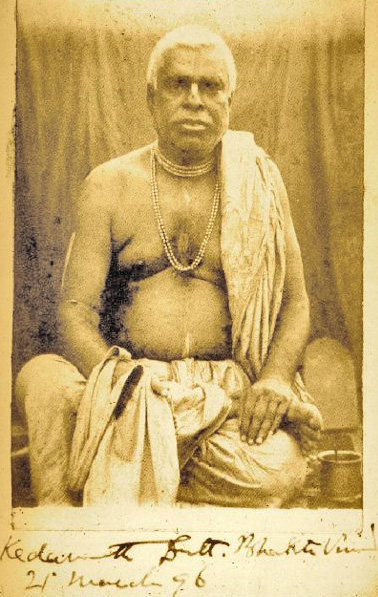
Vijaya: Prabhu, many who are vaiṣṇava-ābhāsa bear the outward signs of a Vaiṣṇava, and constantly perform nāmābhāsa. Even so, despite engaging in this way for a long time, they still do not receive prema. What is the reason for this?
Bābājī: There is one secret here. The vaiṣṇava-ābhāsa-sādhaka is qualified to receive pure devotion, but he does not have pure, one-pointed bhakti. It may be that he is associating with a person whom he thinks to be a sādhu, but who is actually a Māyāvādī and not a śuddha-bhakta. Due to this undesirable association, the sādhaka will follow the Māyāvādī’s apasiddhāntika instructions, and as a result, whatever bhakty-ābhāsa he had will vanish, and he will gradually fall down into the category of vaiñṇava-aparādhī. In that condition, it is quite difficult – indeed practically impossible – for him to succeed in his practice. Yet, if his previous sukṛti is strong, it will remove him from that bad association and place him in the association of saintly persons; and from that sat-saṅga he can obtain pure Vaiñṇavism again.
Vijaya: Prabhu, I understand that the result of nāmāparādha is very dangerous, but is there any good result derived from the names that are uttered offensively?
Bābājī: Śrī nāma will give whatever result the nāma-aparādhī desires while he is chanting the names, but it will not award kṛṣṇa-prema. At the same time, the offender has to suffer the result of his offenses against śrī nāma. One who commits offenses to śrī nāma, and who takes the name with a wicked mentality will receive the following results: In the beginning, the nāmaaparādhī takes śrī nāma with a wicked mentality, but after some time he occasionally chants nāma free from wickedness. This chanting of the name without a crooked mentality causes him to accumulate sukṛti. Slowly, slowly, as that sukṛti increases, its influence enables him to receive the association of saintly people who are chanting śuddha-nāma. The influence of sat-saṅga induces the nāma-aparādhī to chant śrī nāma constantly, which frees him from nāmāparādhas. Even people who had a great desire for liberation have gradually become hari-bhaktas by taking shelter of this process.
From Jaiva Dharma, chapter 25,
Prameya: Nāmābhāsa,
by Srila Bhaktivinoda Thakura
Chanting TIPS on Hare Krishna mahamantra
Few precious instructions as taught by Dharmavira Prabhu:
Allow the Divine Couple to dance on your tongue as They want, at Their own pace. This means, sometimes you will chant faster, sometimes slower, sometimes loud, sometimes soft, so many ways. The point is: we are chanting for the pleasure of the Divine Couple, not ours. Therefore we allow Them to guide our chanting. As you practice, you will get more and more realizations on chanting and you will see which works best for you.
When you chant, please keep this mood: O son of Maharaja Nanda (Krsna), I am Your eternal servitor, yet somehow or other I have fallen into the ocean of birth and death. Please pick me up from this ocean of death and place me as one of the atoms at Your lotus feet. (Śikṣāṣṭaka, eight verses of instruction by Sri Caitanya Mahaprabhu, Verse 5)
Be aware that every time you chant, Lord Caitanya Mahaprabhu is watching you! Means He is so attracted to your chanting the holy name, because chanting of the holy name is His life and soul. He is so pleased by chanting! Therefore it is the topmost service to Him!
Chanting Hare Krishna mahamantra with or without taste?
As you chant more and more, especially mentally, you will notice that your mind continues to chant on its own even after you stopped consciously chanting and counting on beads.
When you chant with taste, you relish the name and you don’t want to stop. You forget about everything. There is only the Name and the present moment. The Taste for the holy name automatically eliminates inattention during chanting.
Both the taste and realizations about the holy name are the causeless mercy of Sri Guru and Gauranga. Our only “merit” is the desire to chant at all costs and under any circumstances while carefully avoiding 10 offenses against the holy name.
Why should we not desire or pray for getting the taste for the holy name? Because it becomes motivated chanting if we do so: we want to enjoy the taste of the holy name. The only motive for chanting should be following the order of the spiritual master to chant the holy name and giving pleasure to the Divine Couple.
Inspiring Quotes on Chanting by Aniruddha das Adikary
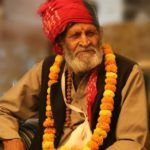
“Whether hari-nāma is uttered properly or improperly, when the right time comes it completely purifies the conscience of the sādhaka (practitioner). This is an established doctrine. Just like fire always burns an object it touches, whether contacted consciously or not. Every object always acts as per its inherent nature, whether people have faith in it’s influence or not.”
“Why did Śrī Gaurāṅga Mahāprabhu instruct all His associates and followers that He would only honor prasāda in the house of that devotee who chants sixty-four rounds (one lakh harinama) daily? Was He not aware that it is not possible for most householders to fully absorb themselves in harinama while chanting sixty-four rounds? He knew that at least by chanting one lakh, some śuddha-nāma (pure holy name) will be chanted intermittently, and later, gradually as taste for harinama develops, they will eventually start chanting śuddha-nāma only.”
“With Śrīla Gurudeva as my witness, I GUARANTEE that anyone who chants one lakh (64 rounds) daily, whether absorbed or distracted, will certainly develop a taste for chanting and doing bhakti. Do not worry.”
“If an ordinary grhastha like me can attain Krsna simply by chanting His holy name, why can’t you?”
“Chant hari-nāma in any way you are able to – purely or impurely; with or without improper pronunciation; there is no loss. Krsna observes your mood and intent.”
“There is actually no difference in chanting the holy name and meeting Krsna. But one who does not chant at least one lakh everyday, attentively and audibly cannot realise this.”
“Dear devotees, falling at your feet, I repeatedly beg all of you to CHANT 64 ROUNDS (1 lakh harinama) attentively daily. Śrī Gaurahari has promised that He will always reside with those who chant one lakh harinama daily. How can Kali Mahārāja enter a place where Śrī Gaurahari resides?”
“At the outset, a practitioner may take 8 to 10 hours to complete sixty-four rounds. This makes him disconcerted and he gives up chanting altogether. There is no need to get bewildered by this. By consistent practice, you will be able to complete them in 3-4 hours. I am sure out of a twenty-four hour day, anyone can spare three or four hours for chanting.”
“Pious credit accumulated over millions of lifetimes is destroyed to its root instantly by offending a saintly personality. Such an offender can never chant harinama properly.”
– Aniruddha das Adhikary, Nama acarya
There is NO other way
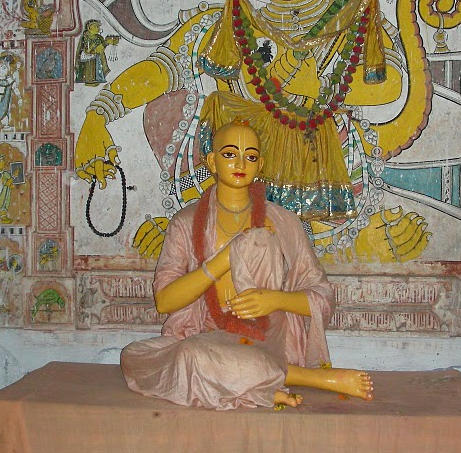
harer nāma harer nāma
harer nāmaiva kevalam
kalau nāsty eva nāsty eva
nāsty eva gatir anyathā
‘In this age of quarrel and hypocrisy the only means of deliverance is chanting the holy name of the Lord. There is no other way. There is no other way. There is no other way.’ [Adi 17.21] (Bṛhan-nāradīya Purāṇa 38.126)
‘In this Age of Kali there is no other means, no other means, no other means for self-realization than chanting the holy name, chanting the holy name, chanting the holy name of Lord Hari.’
Srila Prabhupada’s Quotes about Chanting 64 rounds Hare Krishna mahamantra
Plethora of quotes by Srila Prabhupada who wanted everyone to chant 64 rounds or more!
“The Kṛṣṇa consciousness movement prescribes sixteen rounds daily because people in the Western countries cannot concentrate for long periods while chanting on beads. Therefore the minimum number of rounds is prescribed. However, Śrīla Bhaktisiddhānta Sarasvatī Ṭhākura used to say that unless one chants at least sixty-four rounds of japa (one hundred thousand names), he is considered fallen (patita). According to his calculation, practically every one of us is fallen, but because we are trying to serve the Supreme Lord with all seriousness and without duplicity, we can expect the mercy of Lord Śrī Caitanya Mahāprabhu, who is famous as patita-pāvana, the deliverer of the fallen.” [Nectar of Instruction 5]
FOR MORE QUOTES BY SRILA PRABHUPADA ON CHANTING 64 ROUNDS CLICK HERE and HERE
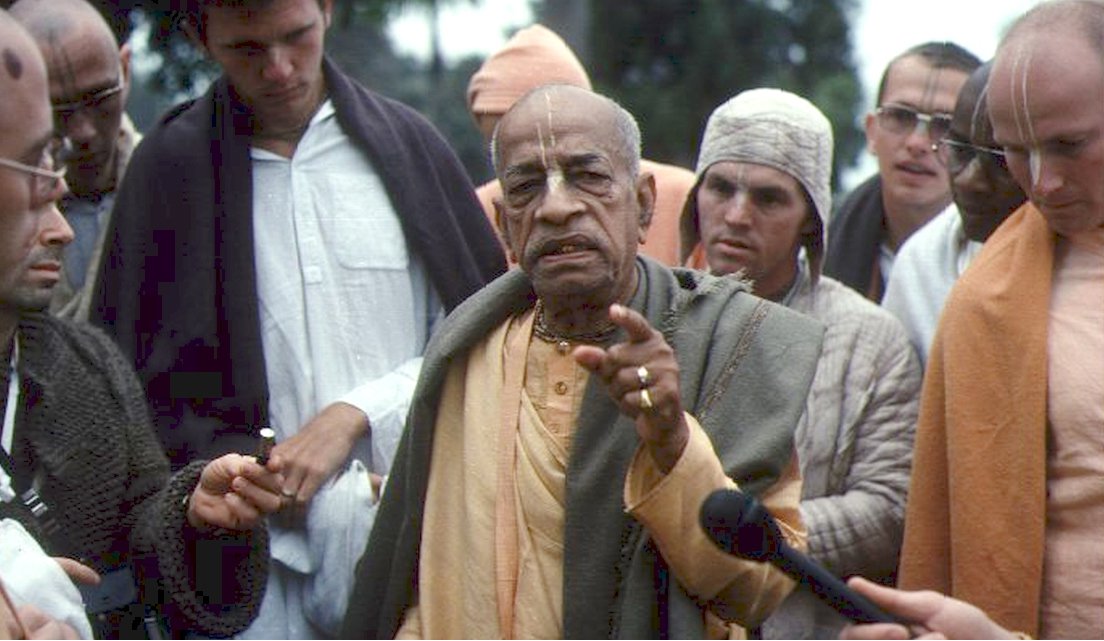
Nothing except the Holy Name
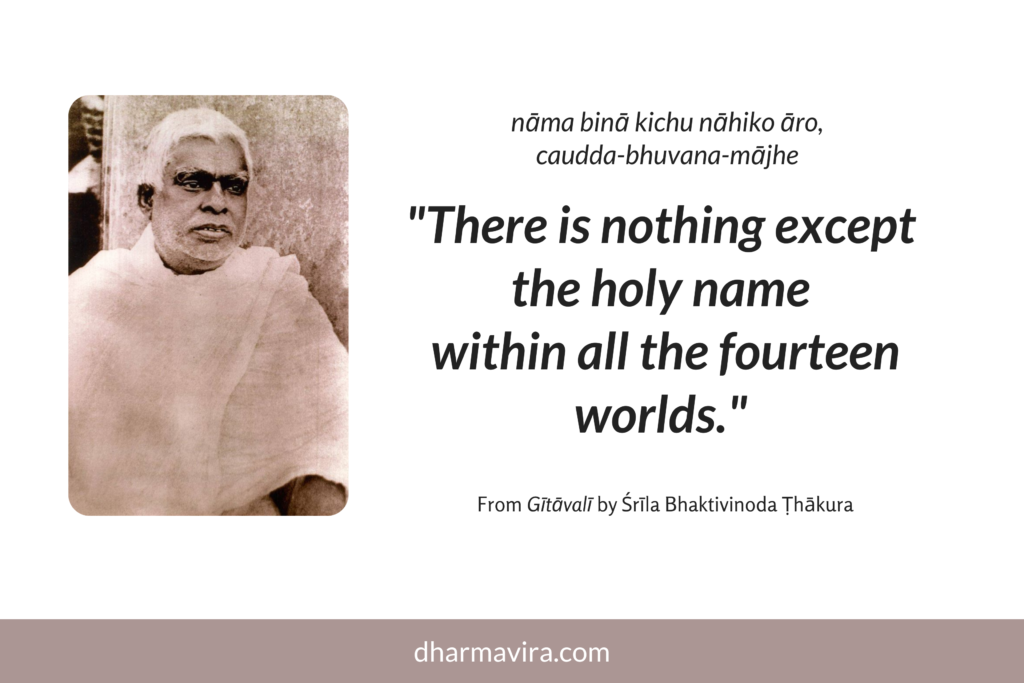
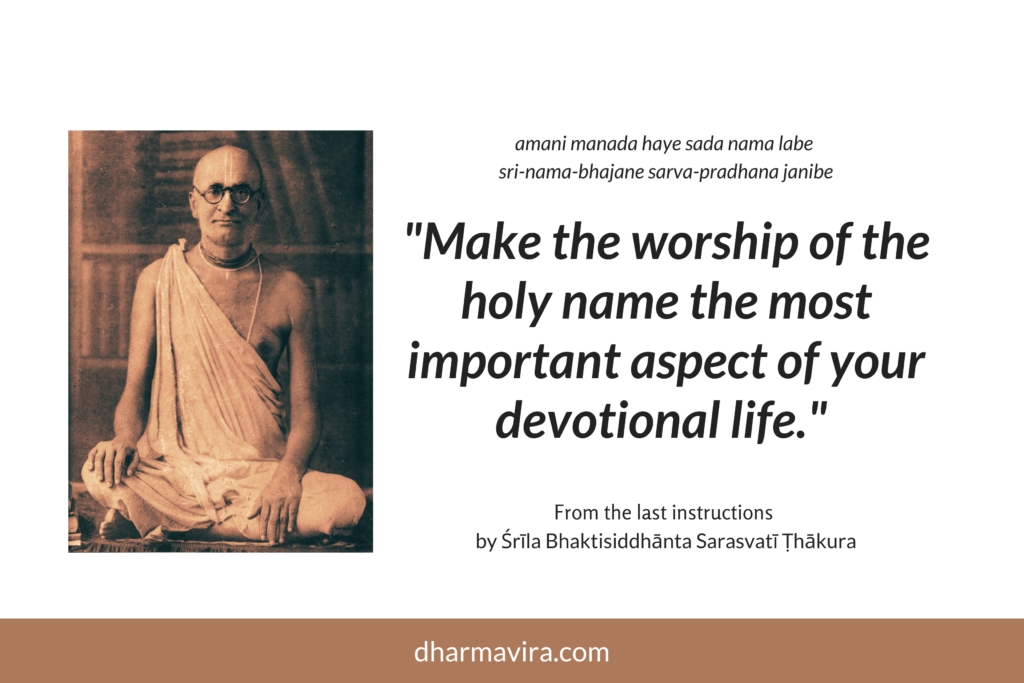
Holy Name the most important aspect of bhakti
Media
Shuddha Nama chanting samples by pure devotees
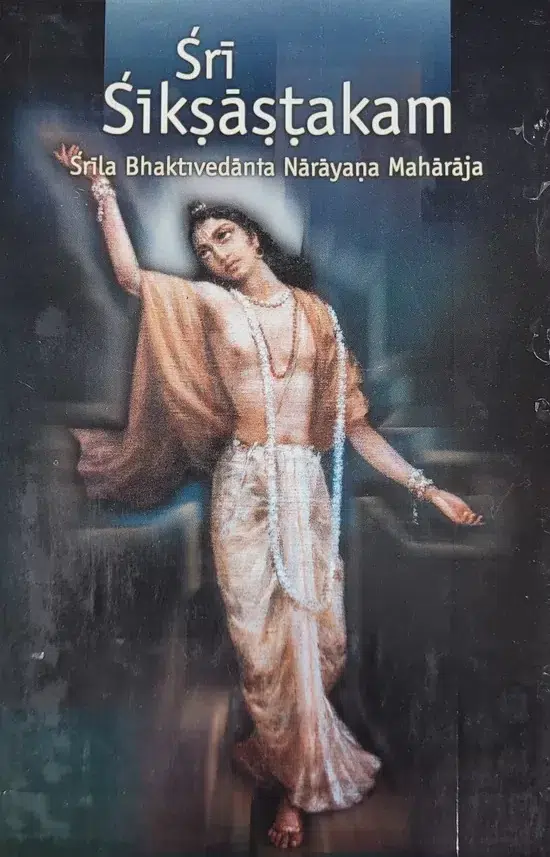
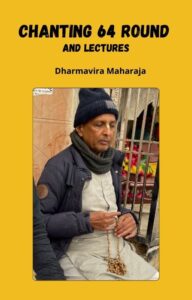
Books about chanting
Hare Krishna mahamantra


Lectures about nama-tattva
Testimonial on chanting 64 rounds of Hare Krishna mahamantra
Dharmavira Das Prabhu Q&A
