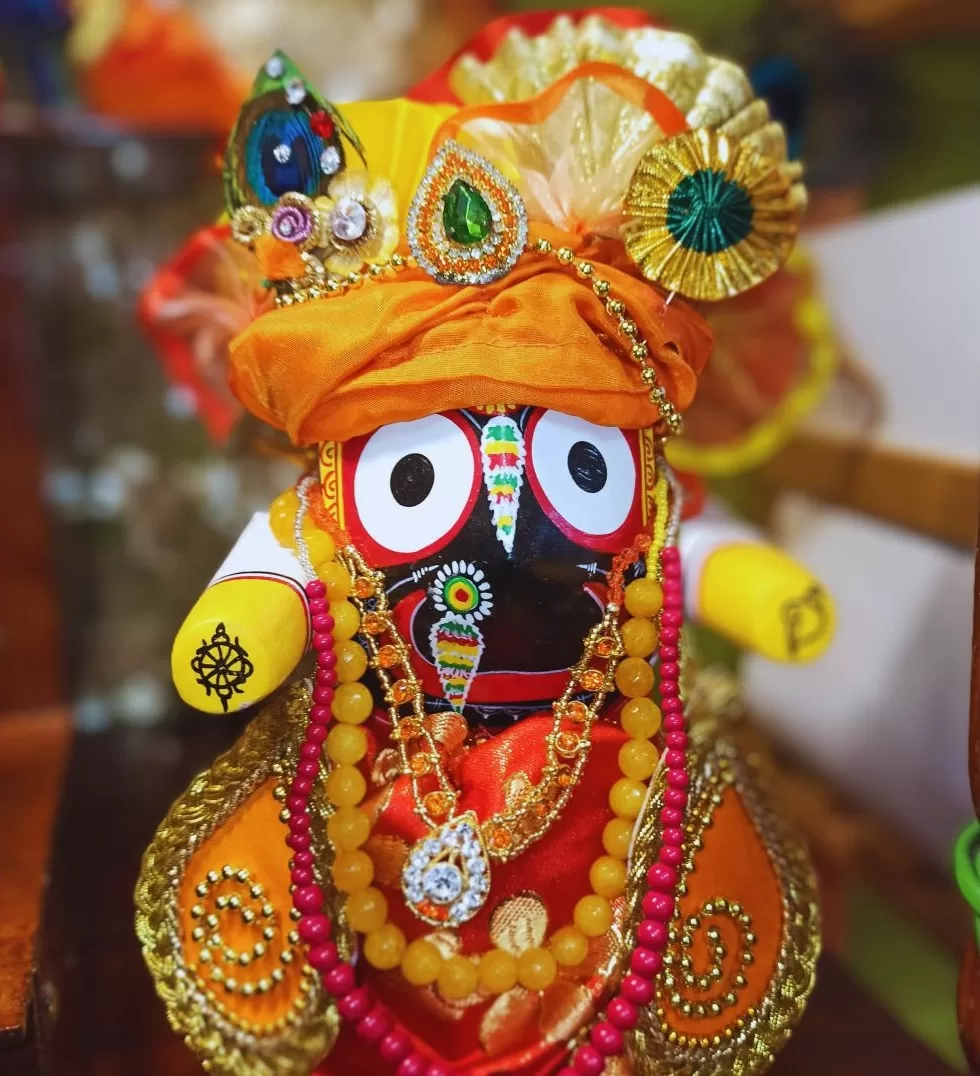
Hare Krishna, Tomorrow is Putrada Ekadashi.
The glories of Putradā ekādaśī, which occurs during the waxing moon in the period of December-January, are described in Bhavisya-uttarā Purāna in a conversation between Lord Kṛsṇa and Mahārāja Yudhisṭhira.

Lord Kṛsṇa said to Yudhisṭhira, “My dear king, the ekādaśī which occurs during the waxing moon in the period of December- January is called Putradā. By observing this ekādaśī, all of one’s sinful reactions are counteracted. People become learned and famous by following it. Now, please hear the glories of this auspicious ekādaśī.”
“A king named Suketumāna ruled the city of Bhadrāvatī. The name of his queen was Śaibyā. They were sad because they were not able to have a son. They spent most of their time in religious activities. Due to their lamentation, the water that they offered as anoblation to their forefathers seemed hot to the forefathers. The forefathers worried that after the passing of King Suketumāna, no one would offer them oblations.
Sensing the distress of the forefathers, the king became even more morose. He did not feel any satisfaction in the company of his friends, well-wishers, and ministers. Thinking that without a son life is useless, he was overwhelmed with lamentation and hopelessness. He thought, ‘It is impossible to become free from debt to the demigods, forefathers, and other people without having a son. One cannot have sons, wealth, and knowledge without heaps of pious activities and devotion to Visṇu. ‘Considering this, the morose king secretly left for the forest riding on a horse, to seek help.
“King Suketumāna entered the forest, which was inhabited by birds and beasts, and searched for a place to take rest. He saw various trees in the dense forest such as banyan, pippala, date, tamarind, palm, sāla, maulasiri, sapta-parụa, tilaka, tamāla, sarala, hingota, arjuna, lavhera, behaḍā (bibhītāki), sallakī, pāṭala, catechu, and palāśa, as well as various animals such as tigers, lions, elephants, deer, pigs, monkeys, snakes, leopards, and hares. Instead of resting, the king began to wonder through the forest. He was surprised and scared upon hearing the howling of jackals and the calls of owls.
The king became very tired after wandering here and there for some time. It was midday and he was very thirsty. He thought, ‘I have tried to please the demigods through worship and sacrifices; to maintain my subjects like my own children; and to satisfy the brāhmaụas by offering them foodstuffs and daksiụā. Yet, I am suffering like this today.’ Absorbed in these thoughts, King Suketumāna continued to wander. Suddenly, he saw a lake as beautiful as Mānasa-sarovara, filled with lotuses.
Many swans, cakravāka, and cakora birds were in that lake. Seeing some sages chanting Vedic mantras on the bank of this lake, the king got down from his horse and offered obeisances to each one individually. The sages were pleased and said, ‘O king, we are pleased with you; please ask us for some benediction.’
“The king asked, ‘Who are you and why have you come to this lake?’ The sages replied, ‘We are Viśvadevas and we have come here to take bath. Today is the auspicious Putradā ekādaśī. If a person desirous of a son observes this vow, he is certainly benedicted with a son.’ The king said, ‘I have tried so many things to get a son, but as of today I have not been successful. Since all of you are pleased with me, kindly bless me with a beautiful son.’ The sages said, ‘O king, observe this Putradā ekādaśī with great care, and by the mercy of the Lord and our blessing, you will certainly receive a son.’
“Following the instruction of the sages, the king observed the auspicious Putradā ekādaśī. He broke his fast the next day, and after repeatedly offering obeisances to the sages, he returned to his palace. “In due course of time, Queen Śaibyā became pregnant. By the blessing of the sages and the piety gained by observing Putradā ekādaśī, the king begot a pious, brilliant son. Thereafter, the king happily ruled his kingdom and his forefathers were satisfied.
Lord Kṛsṇa concluded, “O King Yudhisṭhira, by following Putradā ekādaśī one can get a son and attain the heavenly planets. Anyone who hears or sings the glories of this ekādaśī certainly achieves the results of an Aśvamedha sacrifice.”