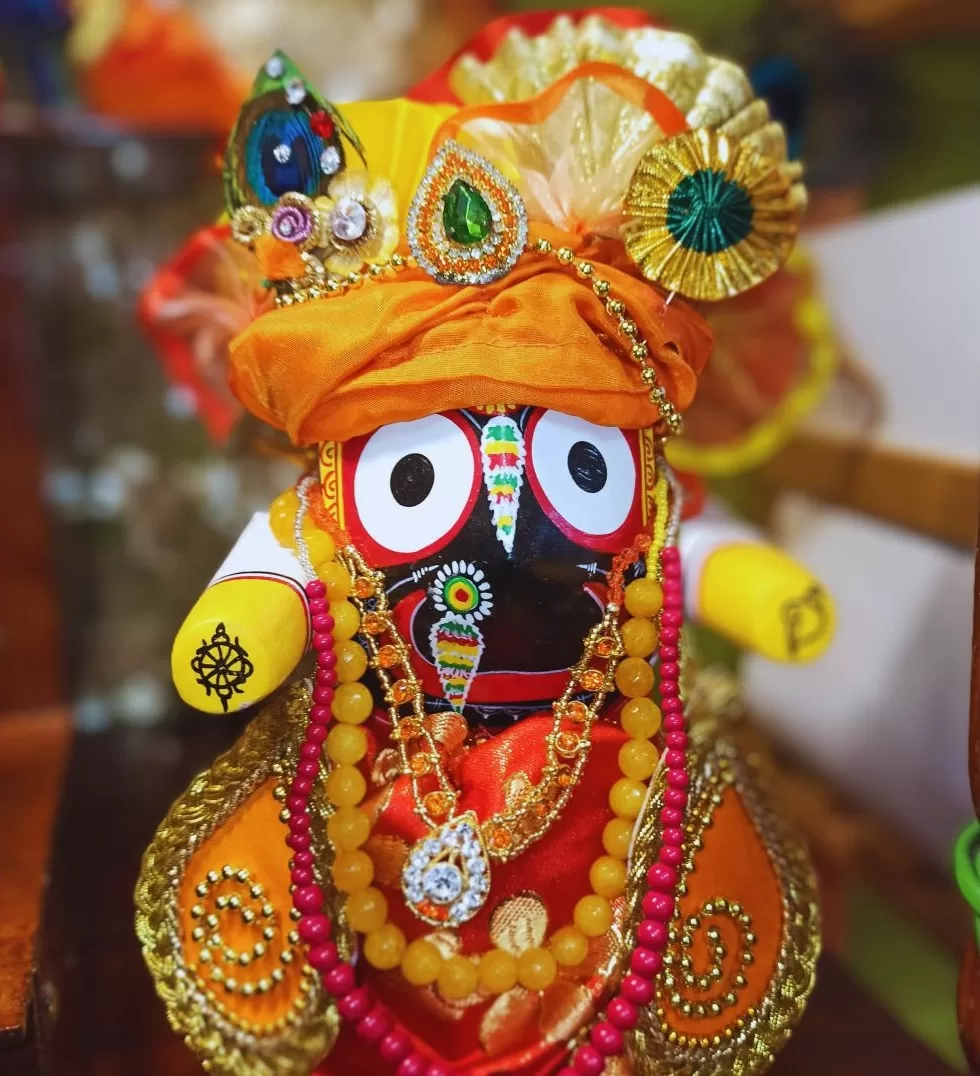
Hare Krishna, today is Pāpamocanī Ekādaśī, here is story about him
Pāpamocanī Ekādaśī
The glories of Pāpamocanī ekādaśī are described in Bhavisya-uttara Purāna in a conversation between Lord Kṛsṇa and Mahārāja Yudhisṭhira.
Once, Mahārāja Yudhisṭhira said, “My dear Lord Kṛsṇa, You have already explained the glories of Āmalakī ekādaśī. Now, please describe the ekādaśī which occurs during the waning moon in the period of March-April. What is the name of that ekādaśī? Tell me about the procedure for observing it, and the results of doing so.” Lord Kṛ?ṇa replied, “O best of kings, the name of that ekādaśī is Pāpamocanī. Now, please hear its glories.
“Long ago, the glories of this ekādaśī were spoken of by the sage Lomaśa to King Māndhātā. Pāpamocanī ekādaśī occurs during the waning moon in the period of March-April. This ekādaśī takes away all of one’s sinful reactions, frees one from a ghostly existence, and awards one eight kinds of mystic perfections.
“Sage Lomaśa said, ‘In ancient times, Kubera, the treasurer of the demigods, had a beautiful forest of flowers called Caitraratha, where the weather was always pleasant and spring-like. The heavenly dancing girls, such as Gandharvas and Kinnaras, enjoyed various activities there. Demigods headed by Indra used to go there to enjoy various exchanges. In that forest, a great sage named Medhāvī, who was a staunch devotee of Lord Śiva, was performing austerities.
The Apsarās, or heavenly dancing girls, tried to disturb the sage in various ways. A famous Apsarā named Mañju Ghosā devised a means to captivate the mind of the sage. Fearing the sage’s powers, Mañju Gho?ā built a cottage at a short distance from his āśrama, and then she began to sing in a sweet voice, accompanied by the musical instrument called a vīṇā. Mañju Ghosā had applied sandalwood pulp on her body, and she wore a fragrant flower garland.
By her enchanting singing and appearance, Cupid, who is an enemy of Lord Śiva, tried to conquer the sage, who was a devotee of Lord Śiva. Lord Śiva had previously burned Cupid to ashes, and now, remembering this, Cupid entered the body of the sage to take revenge. At that time sage Medhāvī, who wore a white sacred thread and lived in the āśrama of Cyavana Rsi, became like a second Cupid.
The lusty Mañju Ghosā slowly approached the sage. Medhāvī became overwhelmed by lust and forgot his worshipable Lord. He gave up the practice of devotional service and became so intoxicated in relishing her association that he could not even tell day from night. In this way, sage Medhāvī spent many years enjoying lusty activities.
“When Mañju Ghosā saw that the sage had fallen down from his position, she decided to return to the heavenly planets. While they were engaged in amorous activities, she said to Medhāvī, ‘O great sage, please give me permission to return home. ‘Medhāvī replied, ‘O beautiful woman, I have been with you for only a little while; please stay with me for the rest of the night and you can go home in the morning.
‘Mañju Ghosā became frightened and remained with him for a few more years. Although she ended up living with the sage for fifty-seven years, nine months, and three days, it seemed to him to be like only a few moments. When Mañju Ghosā again asked permission to return home, the sage said, ‘O beautiful one, please listen to me. It is still early in the morning; please wait until I finish my morning rituals.’
The Apsarā smiled and said with amazement, ‘O great sage, how long will it take to complete your morning rituals? You are not finished yet? You have enjoyed my association for many years; therefore, please consider the actual value of your time. ‘Hearing these words, the sage came to his senses, and after carefully considering how he had spent his time, he said, ‘Alas, O beautiful one, I have simply wasted fifty-seven long years of my valuable time.
You have ruined everything and spoiled all of my austerities.’ The sage’s eyes filled with tears, and his entire body began to tremble. Medhāvī cursed Mañju Ghosā: ‘You have behaved with me like a witch; therefore, you will immediately become a witch. O sinful, unchaste lady, shame on you!’
“Mañju Ghosā humbly replied, ‘O best of brāhmanas, please withdraw your severe curse. I have been with you for many years my lord, so you should forgive me. Please be merciful.’ The sage replied, ‘O gentle lady, what will I do now? Although you have destroyed my entire wealth of austerity, I will tell you how to become free from the curse. The ekādaśī which occurs during the waning moon in the period of March-April, called Pāpamocanī, destroys all of one’s sinful reactions. If you strictly and faithfully follow this ekādaśī, your existence as a witch will be vanquished.’
“Then sage Medhāvī returned to the āśrama of his father, sage Cyavana. As soon as Cyavana saw his fallen son, he became extremely unhappy and said, ‘Alas, alas, O my son, what have you done? You have ruined yourself. You should not have spoiled your entire stock of austerities by being captivated by an ordinary lady.’ Medhāvī replied, ‘O respected father, by misfortune I committed great sins in the association of an Apsarā.
Therefore, please instruct me regarding atonement.’ Hearing these pathetic words from his repentant son, sage Cyavana said, ‘O my son, by observing Pāpamocanī ekādaśī, all of one’s sinful reactions are completely destroyed. Therefore, you should observe it.’ Medhāvī later observed this ekādaśī with great enthusiasm, and as a result, all of his sinful reactions were destroyed and he became very pious. Meanwhile, Mañju Ghosā also observed this auspicious Pāpamocanī ekādaśī, and she was liberated from being a witch. She regained her beauty and returned to heaven.”
After narrating this story to King Māndhātā, sage Lomaśa concluded, “My dear king, just by observing this Pāpamocanī ekādaśī, all of one’s sinful reactions are automatically destroyed. By hearing or reading the glories of this ekādaśī, one achieves the result of donating one thousand cows. This ekādaśī uproots the desire to commit sinful acts such as killing a brāhmana or embryo, drinking wine, or associating with one’s guru’s wife. Everyone should strictly observe this sacred ekādaśī because it is all-auspicious and destroys all sins.”
! For more Biography look here!
!For more Articles look here!
