Hare Krishna, today article: Definition of Vaishnavism is from Bhaktisiddhanta Prabhupada
Śrī Guru-Praṇāma:
oṁ ajñāna-timirāndhasya
jñānāñjana-śalākayā
caksur unmīlitaṁ yena
tasmai śrī-guruve namaḥ
“I offer my respectful obeisances unto my spiritual master, who with the torchlight of knowledge has opened my eyes, which were blinded by the darkness of ignorance.”
Two important verses:
suna suna nityananda, suna haridasa
sarvatra amara ajna karaha prakasa
prati ghare ghare giya kara ei bhiksa
‘bala krsna, bhaja krsna, kara krsna-siksa’
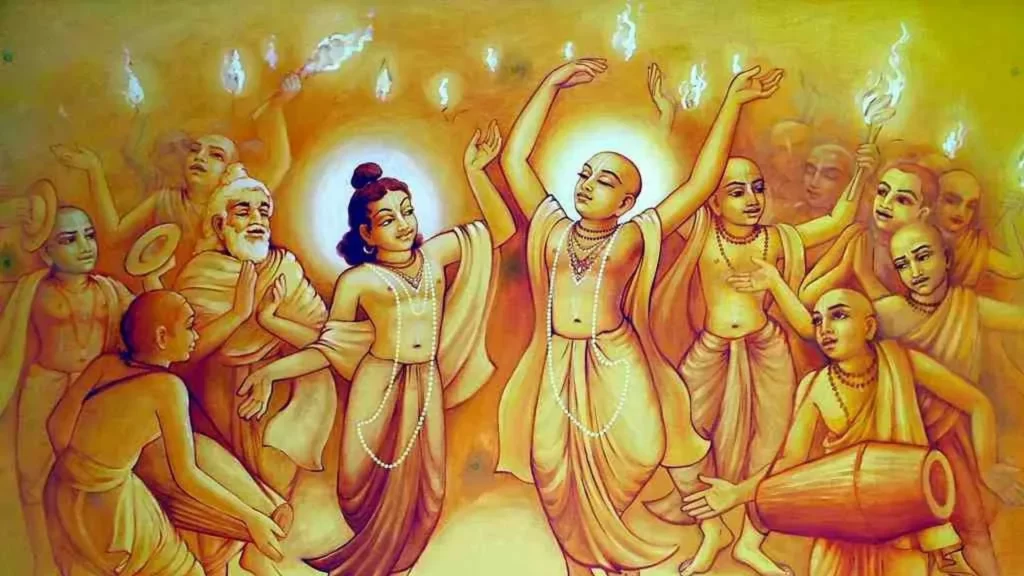
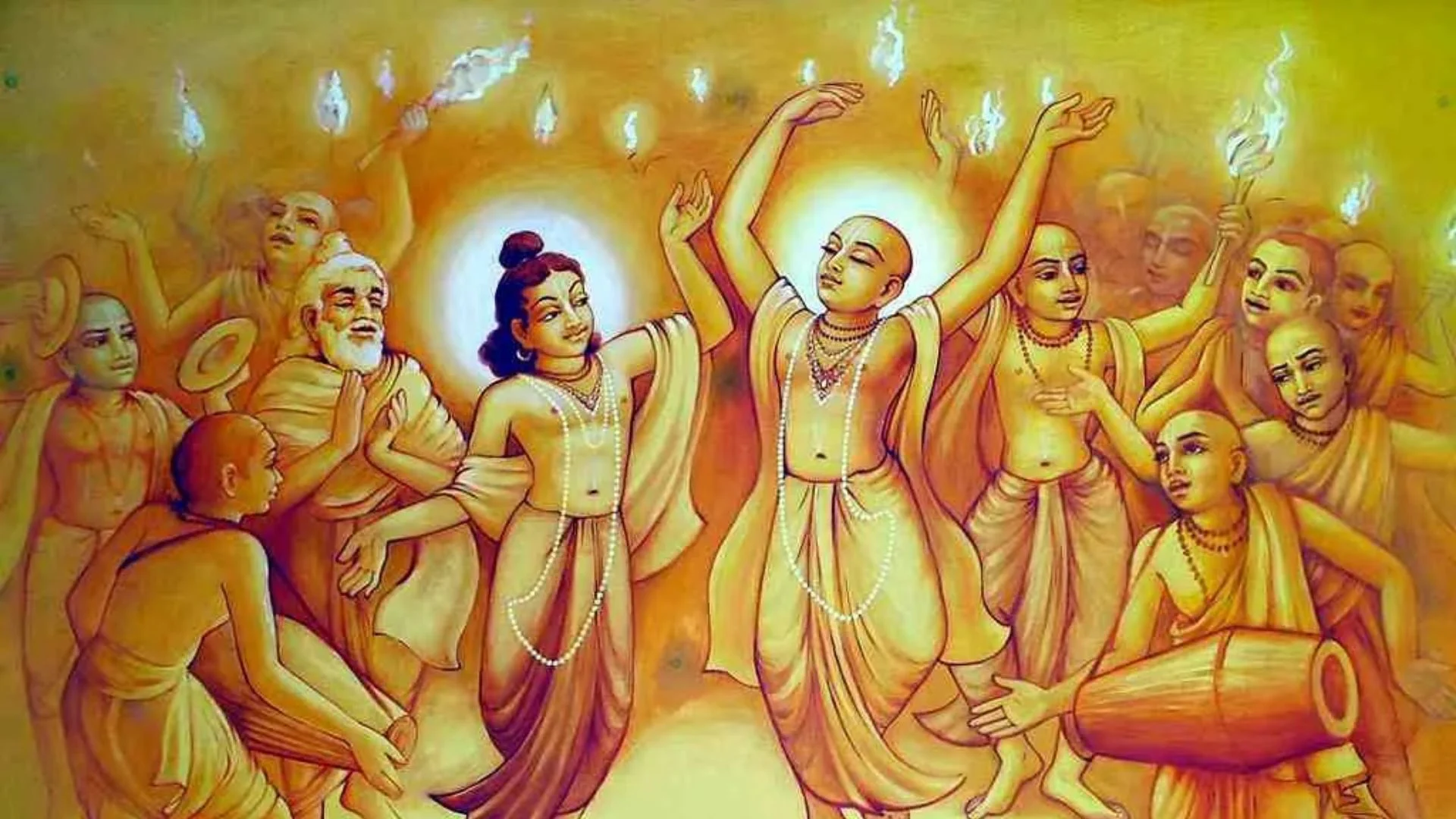
“Listen, listen, Nityananda! Listen, Haridasa! Make My command known everywhere! Go from house to house and beg from all the residents, ‘Please chant Krishna’s name, worship Krishna, and practise what Krishna teaches.’” (Sri Chaitanya-bhagavat, 2.13.8-9)
harer nāma harer nāma
harer nāmaiva kevalam
kalau nāsty eva nāsty eva
nāsty eva gatir anyathā
“In this age of quarrel and hypocrisy, the only means of deliverence is the chanting of the holy names of the Lord. There is no other way. There is no other way. There is no other way.”
Mahā-mantra Hare Kṛṣṇa:
Hare Kṛṣṇa Hare Kṛṣṇa
Kṛṣṇa Kṛṣṇa Hare Hare
Hare Rāma Hare Rāma
Rāma Rāma Hare Hare
Srila Bhaktisiddhanta Saraswati Thakura
Vaishnavism as established in the ancient Vedic literature, geographically manifested in a place known today as India. Vedic literature proclaims that the knowledge about the mundane world accompanied with the complete temporary creation, as well as the spiritual worlds with all their variegatedness, rely on eternal principles, i.e., there is no beginning neither end to them.
The mundane worlds are also part of the eternal spiritual manifestation, but since they function as a “temporary manifestation of the same spiritual substance” where from manifest, they are called “material”.
Since India has been the geographical area where the preservation and practice of the teachings contained in the Vedas actually took place, the general belief is that the Vedas “belong” to India. Nowhere in the Vedas are the words “India” or “Hinduism” found, therefore to label the Vedas as belonging to any particular part or religious group of this minute world is not to do justice to its teachings.
The Vedas explain how the mundane or temporary creation takes place. They describe three main entities which promote the temporary creation, maintenance and destruction of the mundane worlds. Lord Brahma is a title given to an exalted living entity who earned the right to be the person manifesting a temporary creation of the mundane worlds.
Lord Shiva is an eternal manifestation of the Supreme who is also in constant touch with the mundane sphere, who in due course of time promotes its destruction or temporary annihilation. Finally, Lord Vishnu is the maintainer of the total mundane manifestation, and is identified as the Supreme Lord Himself.
The term “Vaishnava” and “Vaishnavism” have also somehow come to be used in a narrow, restricted sense which they hardly deserve. Properly speaking, a “Vaishnava” is one who pays homage to “Vishnu”, which means, “The Immanent Principle which pervades and permeates the universe”. “Vishnu” is the “Indwelling Spirit”, the Preservative Principle of Cosmic Creation. It underlies all things in existence and directs the operations of the world of action.
What is called the Noumenon or the Substance is Vishnu, as also that which in common terms is called Providence, the wise caretaker who orders the smooth working and general well-being of the entire universe. So, all those who believe in the Omniscient, Omnipresent, Omnipotent Being, in Whom, by Whom, and for Whom is all creation, all come under the denomination of this comprehensive term and Vaishnavism accommodates them all, assigning to them their proper places in the gradual evolution of the soul.
What sane thinker is there, who will not entertain this rational view of the conception of God? What philosophy; what religion will not accept the fundamental principles which alone can solve the great problems of life and death?
Vaishnavism contains four classic schools of thought (sampradayas). They each have their own unique theological identity, and coexist in continuity with earlier traditions. Although bearing some different philosophical approach, all sampradayas accept that Vishnu or Krishna is the Supreme Personality of Godhead. A boom period for Vaishnavism developed in India from the 12th through the 16th centuries.
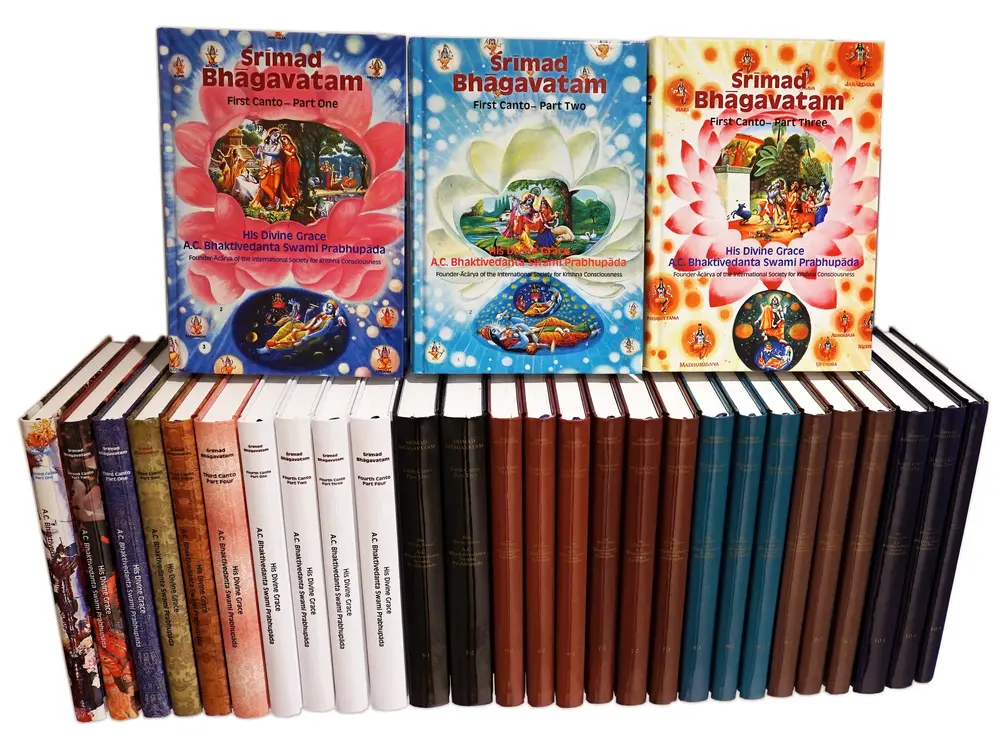
There were many great Vaishnava kings and kingdoms with advanced sociopolitical and educational institutions. Even though Vaishnavism gained popularity during such specific periods, its mundane recorded history reaches several millennia back. All Vaishnava traditions advocate Bhakti-Yoga (union in devotion) as found in the Bhagavad-gita and the Srimad- Bhagavatam.
Their philosophical propositions differ in their presentations of the personal nature of God and His relationship with the mundane world and with an infinite number of individual souls; however, even if such differences exist, they should not be considered to be like the superficial conflicts of snobbish intellectuals. Rather, they are exemplary expressions of spiritual variegatedness in which devotees of a living tradition are experiencing a specific relationship with the Supreme Person.
They manifest a natural and spontaneous eagerness to establish their particular rasa or relationship above all others and that is a characteristic symptom of Bhakti. Nonetheless, their common adherence to devotional service to their beloved Lord far outweighs the insignificant differences between them.