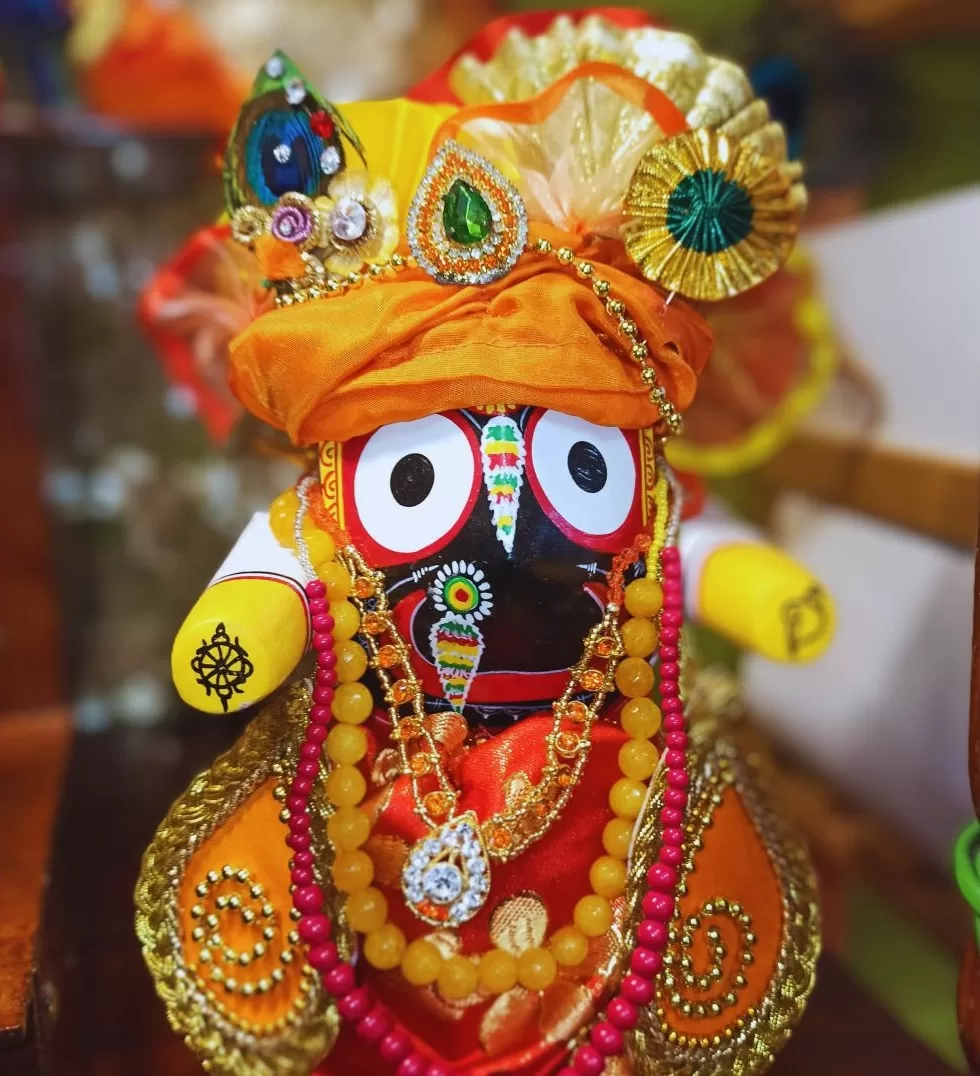

Hare Krishna, tomorrow is Āmalakī Ekādaśī. Here is story about him!
Āmalakī Ekādaśī
The glories of Āmalakī ekādaśī, which occurs during the waxing moon in the period of February-March, are described in Brahmānḍa Purāna in a conversation between King Māndhātā and sage Vasisṭha.
Once, King Māndhātā said to Vasisṭha, “O most fortunate one, if you are pleased with me, be merciful and kindly describe a vow by which I can attain all auspiciousness.”Vasisṭha replied, “O king, I will tell you about the glories and history of a great vow which awards all auspiciousness. O king, the name of this vow is Āmalakī ekādaśī, and the piety earned by following it certainly destroys all of one’s sinful reactions, and awards liberation. By observing that vow, one attains the result of donating one thousand cows.”
“In ancient times, there was a city named Vaidiśa which was inhabited by many healthy, prosperous brāhmanas, ksatriyas, vaiśyas, and śūdras. O lion-hearted king, there were no atheistic or sinful persons in this beautiful city. The entire city was filled with the sound of Vedic mantras. An honest, pious king named Caitraratha, who was born in the family of King Pāśabiṅduka, a member of the moon dynasty, lived there.
King Caitraratha was powerful, heroic, opulent, and well-versed in the scriptures. During his reign, his kingdom was full of auspiciousness and prosperity. All of his subjects performed devotional service to Lord Vi?ṇu, and all of them observed the vow of ekādaśī. Everyone lived happily by engaging in devotional service to Lord Hari. Not a single poor or miserly person could be found in that kingdom.
“After many years of such prosperity, Āmalakī ekādaśī coincided with dvādaśī during the waxing moon in the period of February- March. Realizing that this ekādaśī bestows great benefits, the king and his subjects resolved to properly observe all of the rules and regulations. Early in the morning on ekādaśī, they took bath in the river and went to the temple of Lord Vi?ṇu situated on its bank.
There was an Āmalakī tree in the temple, and the king placed a pitcher of water under it. He also brought an umbrella, clothes, shoes, and five kinds of jewels there for worship. The king worshiped Lord Paraśurāma and Āmalakī by offering water, shoes, a canopy, gold, diamonds, rubies, pearls, sapphires, and fragrant incense.
Led by the sages and followed by his subjects, the king offered the following prayer to Lord Paraśurāma: ‘O Lord Paraśurāma, O Son of Reṇukā, O You who are situated in the shade of the Āmalakī tree, O bestower of material enjoyment and liberation, I offer my respectful obeisances to You.’ Then, they offered the following prayer to the Āmalakī tree:
‘O Āmalakī, O sustainer of the universe, O offspring of Lord Brahmā, O destroyer of all sins, we offer our respectful obeisances to you. Kindly accept our offerings.’ After properly worshiping the Lord and Āmalakī in this way, the king and his subjects stayed awake all night in the temple of Lord Vi?ṇu. They sang devotional songs and offered beautiful prayers praising the Lord and the Āmalakī tree.
“By Providence, during the night a hunter arrived at the temple. This hunter earned his livelihood by killing various living entities. He saw that the temple was decorated with ghee lamps, incense, and other auspicious items, and he saw many people staying awake and glorifying the Lord. He sat with them and tried to figure out what was going on. That fortunate hunter took darśana of Lord Dāmodara on the pitcher and heard transcendental topics about Visṇu. Although he was very hungry, he was astonished by what he was seeing, and he stayed awake all night hearing the glories of ekādaśī.
“In the morning, the king returned to his palace, and the hunter went home and happily ate a meal. After many years, the hunter left his body. As a result of staying awake on that Āmalakī ekādaśī, in his next life the hunter became a king who had an army and innumerable elephants, horses, and chariots. That king was Vasuratha, the powerful son of King Viduratha, who ruled the famous city of Jayantī.
There were one million villages in King Vasuratha’s kingdom. He was as brilliant as the sun, as effulgent as the moon, as powerful as Lord Visṇu, and as tolerant as the Earth. He was honest and dedicated to his duties, and he became a great devotee of Lord Visṇu.
“One day, the very kind and charitable King Vasuratha lost his way while hunting in the forest. He became extremely tired and hungry. Having no other choice, the king lay on the ground of the dense forest, using his arm as a pillow. At that time, some barbarians who lived in the forest attacked the sleeping king and tortured him in various ways. They considered him to be their enemy, and they attempted to kill him.
They blamed him for the previous deaths of their family members and relatives, and for compelling them to wander in the forest. Accusing him in this way, the barbarians tried to beat the king with different weapons. However, to their utter surprise, none of their weapons was able to touch the king’s body, and he was not injured at all. When all of their weapons failed, the barbarians became morose and full of fear. They did not know what to do and simply stood there.
At that time, a beautiful, extraordinary woman decorated with various ornaments and fragrant sandalwood paste appeared from the body of the king. She wore an attractive flower garland and her eyes were reddish with anger. She raised her eyebrows and angrily rushed toward the barbarians with a disc in her hand to kill them. In a moment, that powerful woman killed all of the sinful barbarians.
“After this incident, the king woke up without knowing what had happened. He was frightened and stunned to see the ghastly killings. He thought, ‘Who is this friend and well-wisher of mine who protected me by killing these powerful enemies? I must convey my heartfelt gratitude to him for this great act.’ Then, he heard a voice from the sky say, ‘Who but Lord Keśava is capable of protecting His surrendered souls? He alone is the maintainer of His surrendered devotees. ‘The king was amazed and his heart melted with devotional emotions.
The sage Vasisṭha concluded, “My dear king, thereafter the king returned to his palace and ruled his kingdom like Indra, without any obstacles. Any person who observes the sacred vow of Āmalakī ekādaśī undoubtedly returns to the abode of Lord Visṇu.”
! For more Biography look here!
!For more Articles look here!

